Gong Mei Tea
貢眉 · Gong Mei
Last reviewed: July 2026 · By the White Tea Central editorial team
What is Gong Mei?
Gong Mei ('Tribute Eyebrow') is the middle grade of white tea, sitting between White Peony and Shou Mei: small buds with young leaves, traditionally from the small-leaf caicha bush rather than the Da Bai cultivars. It brews a fresh, mildly honeyed cup with more character than Shou Mei and a friendlier price than White Peony — the connoisseur's value pick.
Gong Mei is the white tea most drinkers skip and most value hunters quietly love. The name — 'Tribute Eyebrow' — recalls the curved, eyebrow-like leaves once presented as tribute tea, and the grade sits deliberately between White Peony's refinement and Shou Mei's rusticity.
Strictly speaking, traditional Gong Mei is defined not just by leaf grade but by plant: it comes from the local small-leaf caicha ('vegetable tea') bushes of Fujian rather than the large-bud Da Bai cultivars. In practice the market often uses Gong Mei loosely for anything between Bai Mu Dan and Shou Mei, so origin details on the label are worth reading.
In the cup, expect the freshness of a young white tea with an extra measure of body and honey — and like Shou Mei, it ages well without straining the budget.
Gong Mei at a glance
| Leaf grade | Small buds + young leaves |
|---|---|
| Traditional plant | Small-leaf caicha bushes |
| Harvest | Spring, after the top grades |
| Classic origins | Fujian Province |
| Liquor | Bright gold |
| Caffeine | ≈ 18–32 mg per 240 ml cup |
Tasting notes
Aroma
Fresh meadow, light honey, a clean grassy brightness
Taste
Mild honeyed sweetness, gentle fruit, a refreshing herbal edge
Body
Light-to-medium — livelier than Shou Mei, simpler than White Peony
Finish
Clean and refreshing with a mild sweet echo
How we taste: notes reflect gongfu sessions with the parameters below, using filtered water, tasted across at least three infusions. Flavor varies with harvest and storage — treat these as a map, not a promise.
How to brew Gong Mei
| Method | Temp | Ratio | Time | Infusions |
|---|---|---|---|---|
| Western | 95 °C | 2 g / 100 ml | 4–5 min | 1–2 |
| Gongfu | 90 °C | 4 g / 100 ml | 25 s (+5 s each) | 4+ |
Want these numbers adjusted to your cup size and water? Open the interactive Brew Lab
Caffeine
Gong Mei typically delivers around 18–32 mg per cup — a touch above Shou Mei thanks to its small buds, still comfortably in white tea's gentle range.
Full white tea caffeine guide →Aging potential
Ages well along the same lines as Shou Mei — honey, dried fruit and herbs — and aged Gong Mei cakes are common and affordable. Its slightly higher bud content can give aged lots a sweeter edge.
Guide to aged white tea →How to buy good Gong Mei
- Read the label: authentic Gong Mei should be a distinct grade (ideally caicha material), not just relabeled Shou Mei — a caicha origin note is a good sign of a careful producer.
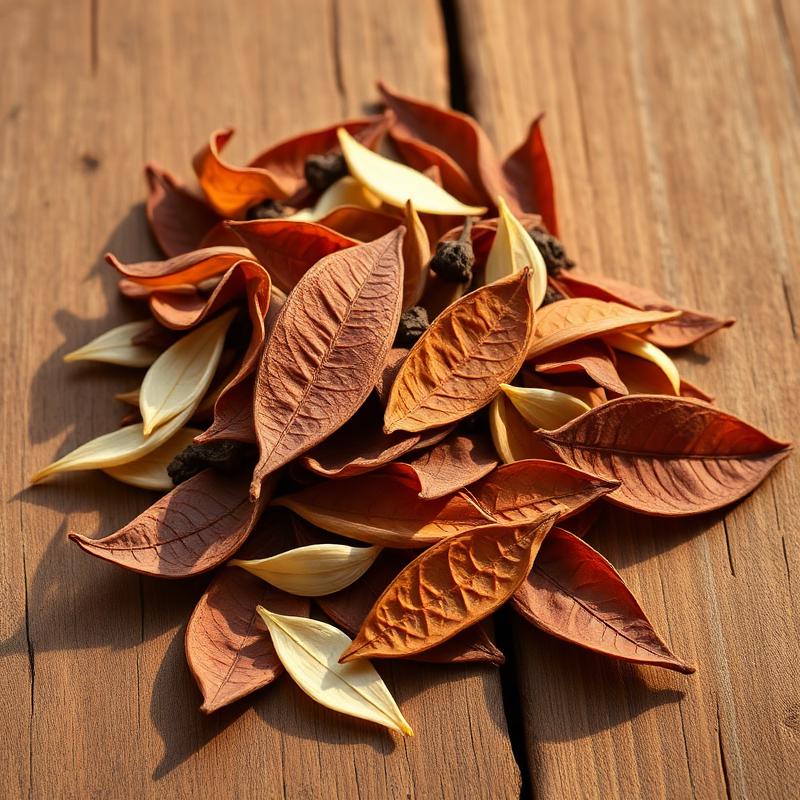
- Look for curved, intact grey-green leaves with occasional small silvery buds.
- Price should sit between White Peony and Shou Mei; it is one of the best value-per-cup buys in white tea.
Typical price tier: $–$ (value pick) · See our full white tea buying guide
Gong Mei FAQ
What is the difference between Gong Mei and Shou Mei?
Gong Mei is the higher grade: it contains small buds along with young leaves and is traditionally made from small-leaf caicha bushes, while Shou Mei is mostly mature leaves picked later. Gong Mei tastes fresher and slightly sweeter; Shou Mei is bolder, darker and more rustic.
What does Gong Mei taste like?
A bright, gently honeyed cup with fresh meadow and light fruit notes and a clean herbal edge — livelier than Shou Mei but simpler and more affordable than White Peony. It is an easy, refreshing everyday white tea.
How do you brew Gong Mei?
Treat it like Shou Mei: 95 °C water Western style (2 g per 100 ml, 4–5 minutes) or 90 °C gongfu style (4 g per 100 ml, 25-second steeps, four or more infusions). Its leafy material is forgiving of hot water.