Shou Mei Tea
壽眉 · Shou Mei
Last reviewed: July 2026 · By the White Tea Central editorial team
What is Shou Mei?
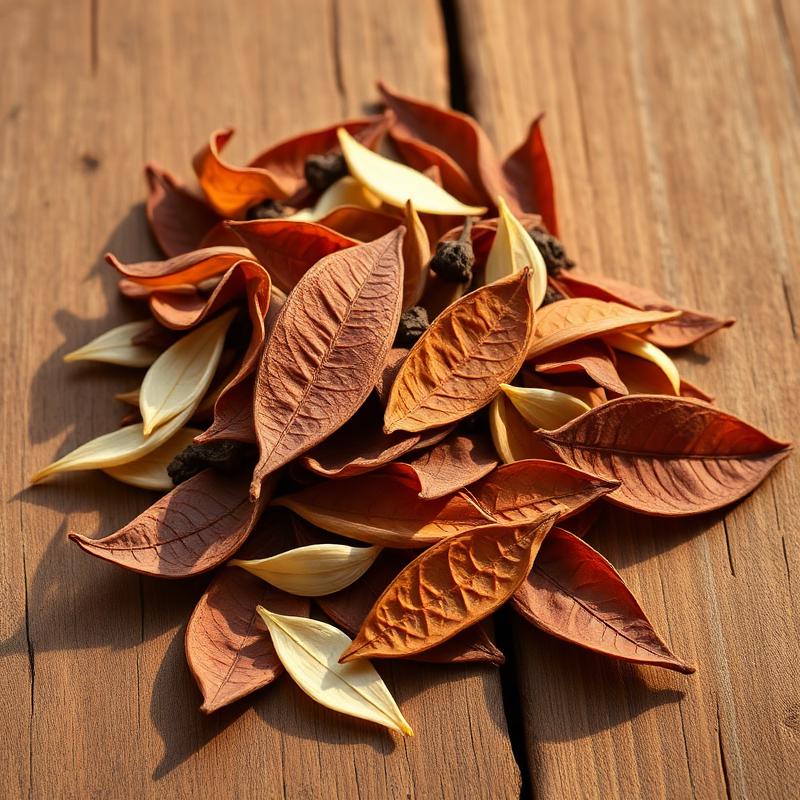
Shou Mei ('Longevity Eyebrow') is the boldest and most affordable of the classic white teas, made from mature leaves picked later in the season. It brews a deeper, honeyed, faintly earthy cup, carries the least caffeine of the white tea grades, and is the single most popular material for aging — most aged white tea cakes on the market are Shou Mei.
Shou Mei is white tea without the whisper: mature leaves harvested in later spring and summer give it a darker liquor, a rounder sweetness and a rustic, comforting character closer to a light oolong than to Silver Needle's subtlety.
Its unpolished reputation is exactly what makes it interesting. Because the raw material is inexpensive, producers press Shou Mei into cakes (bing) and age it — and mature leaves happen to transform beautifully, developing notes of dates, dried apricot, herbs and woody honey over the years. The Fujianese saying about white tea — 'one year tea, three years medicine, seven years treasure' — is usually said with Shou Mei in mind.
For drinkers, this means two teas in one: fresh Shou Mei as an easy, budget-friendly everyday brew, and aged Shou Mei as a genuinely different, darker experience that even suits gentle simmering on a stove.
Shou Mei at a glance
| Leaf grade | Mature leaves, few or no buds |
|---|---|
| Harvest | Late spring – summer |
| Classic origins | Fuding & Zhenghe, Fujian |
| Common forms | Loose leaf and pressed cakes (bing) |
| Liquor | Amber to deep gold; darker when aged |
| Caffeine | ≈ 15–30 mg per 240 ml cup |
Tasting notes
Aroma
Honey, autumn leaves, dried herbs, a hint of tobacco in aged lots
Taste
Honeyed sweetness, dried fruit, gentle earthiness, mild spice with age
Body
Full for a white tea — round and warming
Finish
Sweet and lingering; aged versions add a dates-and-wood depth
How we taste: notes reflect gongfu sessions with the parameters below, using filtered water, tasted across at least three infusions. Flavor varies with harvest and storage — treat these as a map, not a promise.
How to brew Shou Mei
| Method | Temp | Ratio | Time | Infusions |
|---|---|---|---|---|
| Western | 95 °C | 2 g / 100 ml | 5 min | 1–2 |
| Gongfu | 90 °C | 4 g / 100 ml | 25 s (+5 s each) | 4+ |
Want these numbers adjusted to your cup size and water? Open the interactive Brew Lab
Caffeine
Shou Mei is the lightest of the white teas in caffeine at roughly 15–30 mg per cup, because mature leaves hold less caffeine than buds — a good choice for afternoon and evening drinking.
Full white tea caffeine guide →Aging potential
The aging champion of white tea. Mature leaves transform dramatically: expect dates, dried apricot, herbs and woody honey after 3–7 years. Pressed cakes age slower and more evenly than loose leaf. Aged Shou Mei also tolerates — even rewards — brewing at a full boil or gentle simmering.
Guide to aged white tea →How to buy good Shou Mei
- Decide fresh vs. aged first: fresh Shou Mei should smell of hay and honey; aged lots (3+ years) should smell of dried fruit and herbs, never of mustiness or damp.
- For cakes, check for a clearly stated production year and origin; 'ancient aged cake' claims without dates are a red flag.
- This is the budget-friendly corner of white tea — great value, but avoid the very cheapest cakes, where wet or careless storage is common.
Typical price tier: $ (budget-friendly; aged lots vary) · See our full white tea buying guide
Shou Mei FAQ
What does Shou Mei tea taste like?
Fresh Shou Mei is honeyed, round and gently earthy, with notes of autumn leaves and dried herbs — the boldest flavor among classic white teas. Aged Shou Mei goes further, developing dates, dried apricot and woody honey. It is warming and comforting rather than delicate.
Is Shou Mei good for aging?
It is the most popular white tea for aging. Mature leaves transform readily, and because the raw material is affordable, most aged white tea cakes sold today are Shou Mei. Stored dry, sealed and away from odors, it develops dried-fruit and herbal depth over 3–7+ years.
How do you brew Shou Mei?
Use hotter water than for other white teas: 95 °C Western style (2 g/100 ml, about 5 minutes) or 90 °C gongfu (4 g/100 ml, 25-second steeps). Well-aged Shou Mei can even be simmered gently for a rich, dates-and-honey broth.
Does Shou Mei have less caffeine than other white teas?
Yes. At roughly 15–30 mg per cup it is the lightest of the classic white tea grades, because its mature leaves contain less caffeine than the buds that dominate Silver Needle. That makes it the most evening-friendly white tea.