White Peony Tea
白牡丹 · Bai Mu Dan
Last reviewed: July 2026 · By the White Tea Central editorial team
What is White Peony?
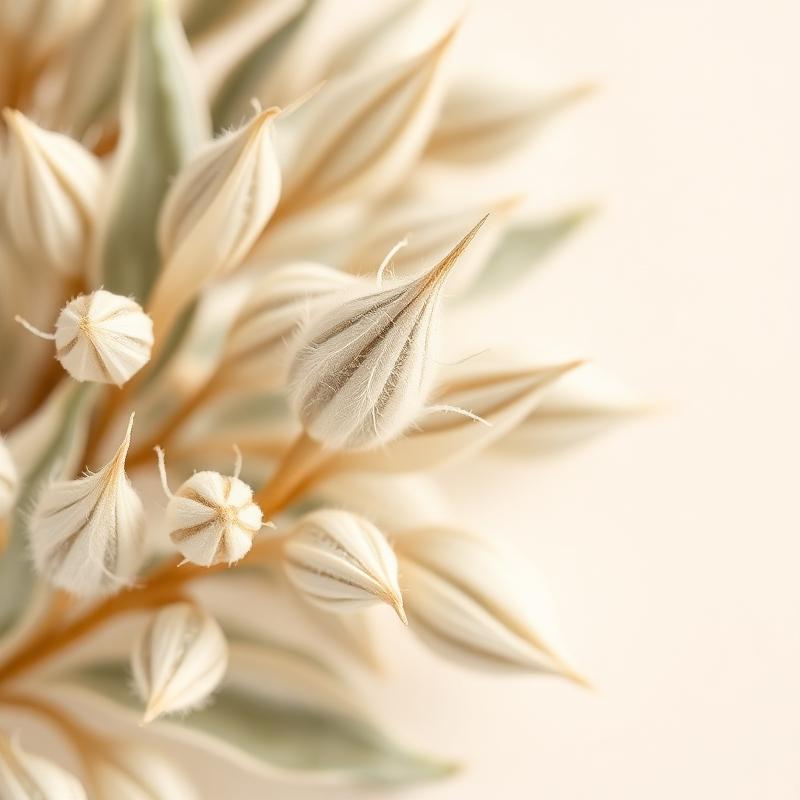
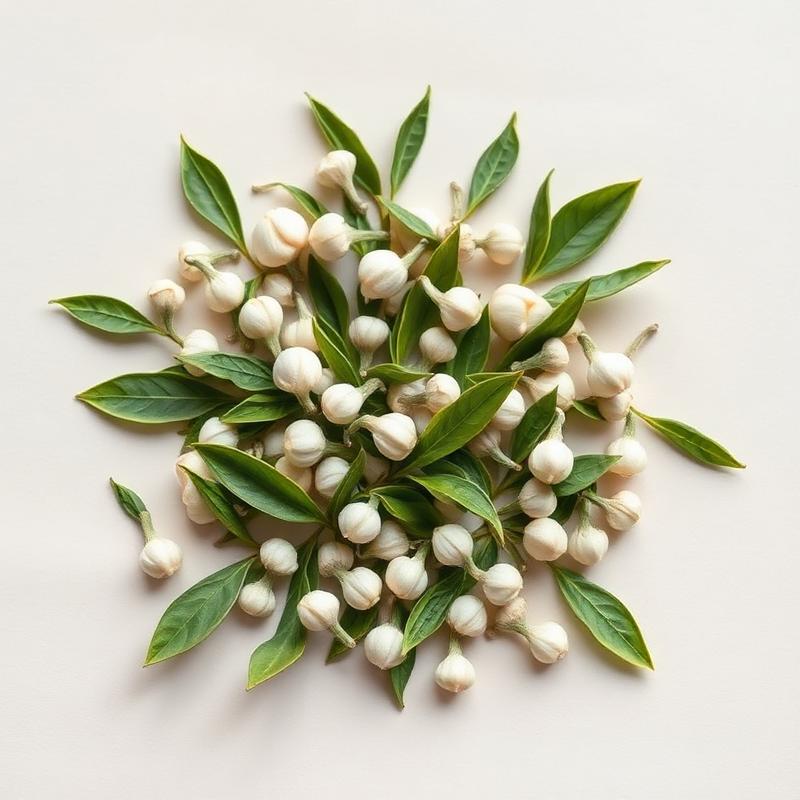
White Peony (Bai Mu Dan) is a classic white tea made from one bud and the first one or two young leaves. The leaves add body, aroma and fruit that bud-only Silver Needle lacks, making White Peony fuller, rounder and more forgiving to brew — the variety most tea people recommend as both an introduction to white tea and a daily drinker.
If Silver Needle is white tea's showpiece, White Peony is its workhorse — in the best sense. Picking a bud together with the first young leaves gives the tea more surface area, more polyphenols and more aromatic compounds, so the cup gains noticeable body and fruit while keeping white tea's soft, unroasted character.
The name comes from the way the withered leaves and silvery bud are said to resemble a peony blossom when they open during brewing. Like Silver Needle, it is traditionally produced in Fuding and Jianyang/Zhenghe in Fujian, from the same Da Bai cultivars.
Grades vary widely: top White Peony is bud-heavy with small, even leaves, while everyday grades carry larger leaves and shade toward Gong Mei territory. This spread is exactly why it offers the best value in white tea — a mid-grade Bai Mu Dan delivers most of the experience at a fraction of Silver Needle's price.
White Peony at a glance
| Leaf grade | 1 bud + 1–2 young leaves |
|---|---|
| Harvest | Early–mid spring, after Silver Needle |
| Classic origins | Fuding, Jianyang & Zhenghe, Fujian |
| Cultivars | Fuding Da Bai, Zhenghe Da Bai |
| Liquor | Light gold to apricot |
| Caffeine | ≈ 25–40 mg per 240 ml cup |
Tasting notes
Aroma
Field flowers, ripe pear, fresh wood shavings, light honey
Taste
Rounded sweetness, stone fruit, gentle florals, a nutty undertone
Body
Medium — noticeably fuller than Silver Needle
Finish
Warm and lightly fruity, with a soft returning sweetness
How we taste: notes reflect gongfu sessions with the parameters below, using filtered water, tasted across at least three infusions. Flavor varies with harvest and storage — treat these as a map, not a promise.
How to brew White Peony
| Method | Temp | Ratio | Time | Infusions |
|---|---|---|---|---|
| Western | 90 °C | 2 g / 100 ml | 3 min | 1–2 |
| Gongfu | 85 °C | 4 g / 100 ml | 15 s (+5 s each) | 5+ |
Want these numbers adjusted to your cup size and water? Open the interactive Brew Lab
Caffeine
White Peony typically lands at 25–40 mg per cup — slightly below Silver Needle, since young leaves carry a bit less caffeine than pure buds.
Full white tea caffeine guide →Aging potential
An excellent aging candidate: leafier material transforms readily, developing dried-fruit, honey and woody depth. Aged Bai Mu Dan cakes are a mainstay of the aged white tea market and cost far less to cellar than Silver Needle.
Guide to aged white tea →How to buy good White Peony
- Look at the bud-to-leaf ratio: more visible silvery buds generally means a higher grade and a sweeter, more refined cup.
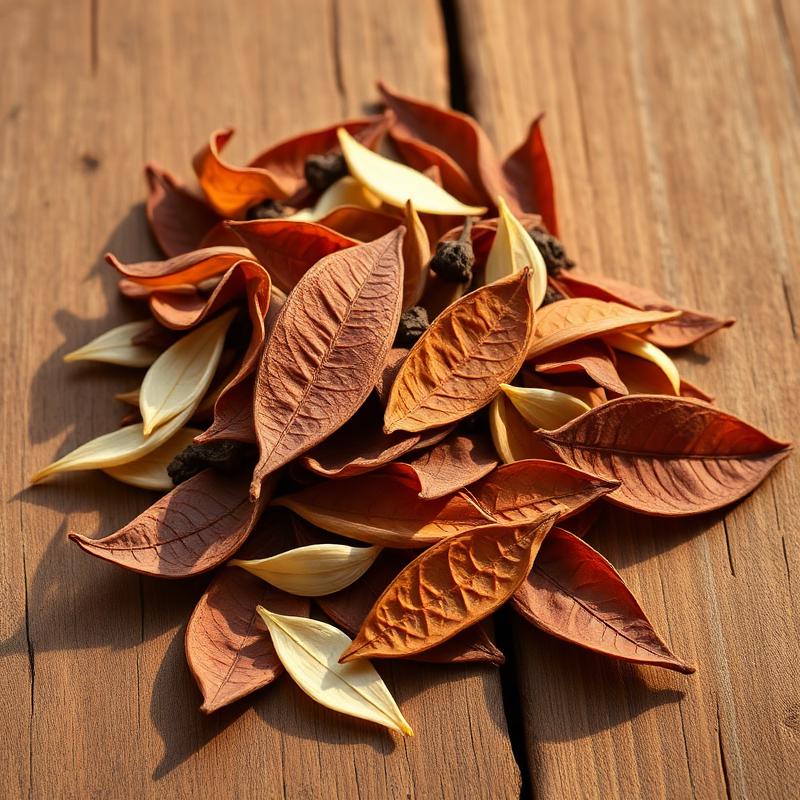
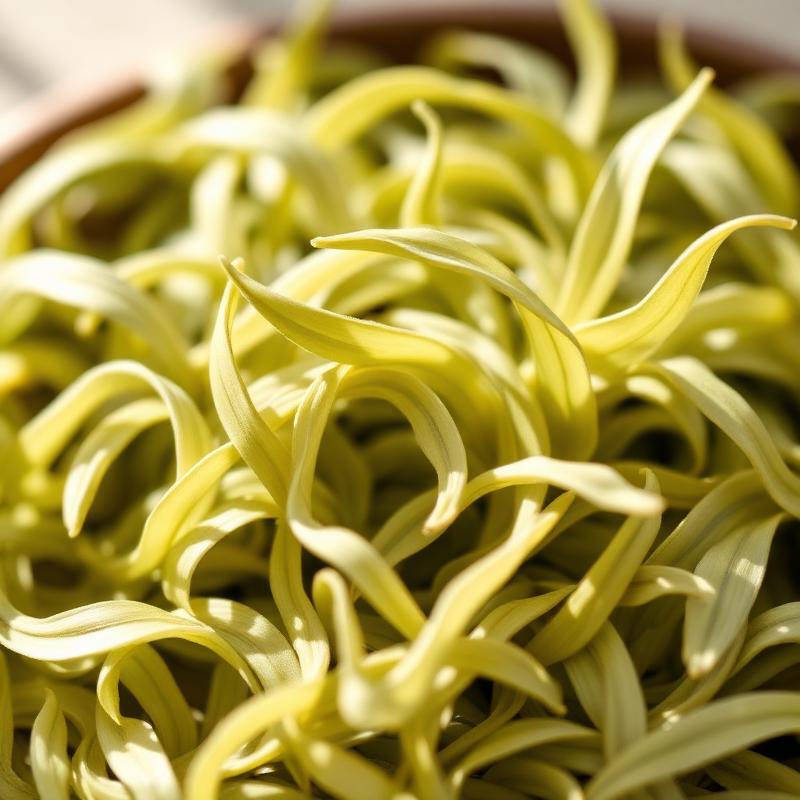
- Leaves should be whole and bicolored (grey-green tops, silvery undersides) — uniformly brown, crumbled leaf suggests careless processing or storage.
- White Peony is the best value tier in white tea: a good mid-grade delivers most of what Silver Needle offers at a fraction of the price. It is the grade we recommend to newcomers.
Typical price tier: $ (mid-range, best value) · See our full white tea buying guide
White Peony FAQ
What is the difference between White Peony and Silver Needle?
Silver Needle is made only from unopened buds; White Peony adds the first one or two young leaves. The leaves give White Peony more body, aroma and fruity depth, while Silver Needle is lighter, silkier and more delicate. White Peony is also cheaper, more forgiving to brew, and slightly lower in caffeine.
What does White Peony tea taste like?
Expect a rounded, gently sweet cup with notes of ripe pear, stone fruit and field flowers over a soft nutty base. The body is noticeably fuller than Silver Needle, and the finish is warm and lightly fruity. Brewed too hot it can turn slightly woody, so stay near 85–90 °C.
How should I brew Bai Mu Dan?
Western style: 2 g per 100 ml at 90 °C for about 3 minutes. Gongfu style: 4 g per 100 ml at 85 °C, starting at 15 seconds and adding about 5 seconds per infusion — expect five or more infusions from a good grade.
Is White Peony a good tea for beginners?
Yes — it is the white tea most often recommended to newcomers. It is affordable, forgiving of small brewing mistakes, and shows the full range of white tea character: florals and fruit from the leaves plus the soft sweetness of the buds.